
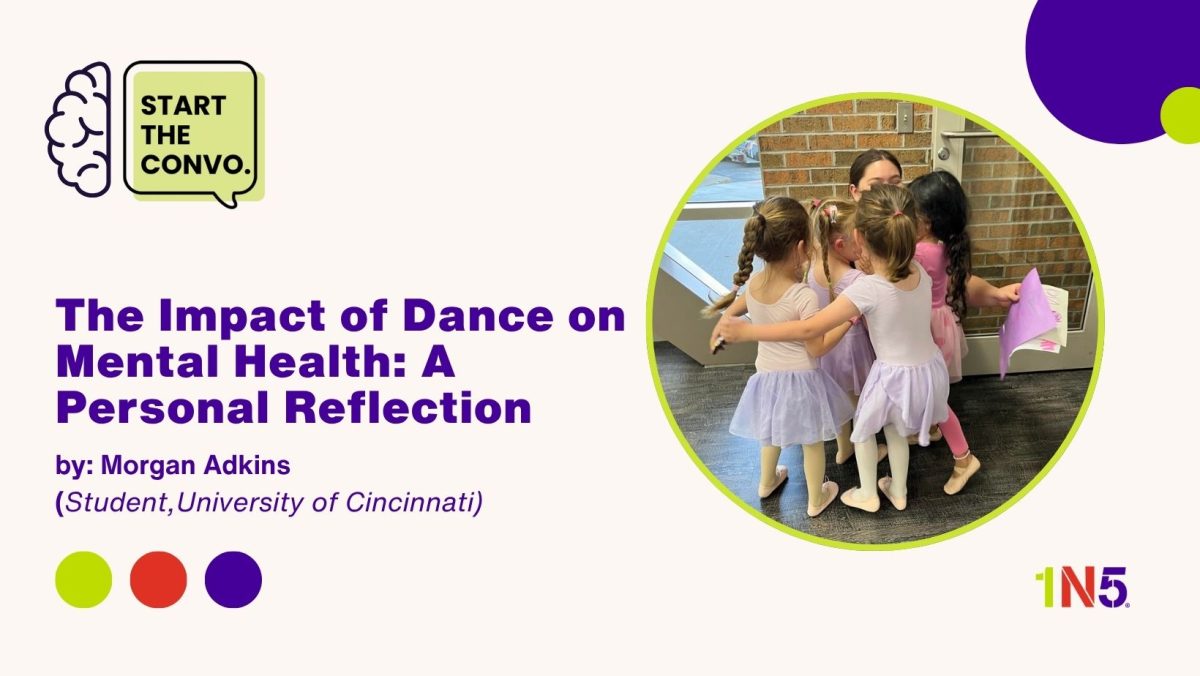
Thinking about my past with dance and its impact on mental health, it wasn’t always a positive relationship. I didn’t always have the space to express myself freely or receive full support and encouragement. Over time, however, I found a community that helped me rebuild that relationship. Dance became something I could turn to no matter what I was feeling joy, sadness, frustration, or peace and now it’s something I share with my students. In my classroom, I strive to cultivate an environment that is welcoming and free of burdens. Each day, my dancers walk in carrying different thoughts, emotions, and mental weights. That’s why I begin every class with words of affirmation. My dancers know they are strong, brave, smart, and deeply welcomed.
Emotional Expression Through Movement
Dance has a unique ability to regulate emotions through movement. Whether practiced alone or in a group, it offers a safe way to release emotions that words cannot always express. Through movement, dancers can process feelings constructively and fluidly, learning to truly feel and understand their emotions. Through rhythm, flow, and physical engagement itself dancers can express and understand their emotions. This emotional release is not just therapeutic, it’s transformative. When individuals move and dance they are able to connect with their bodies on a deeper level to allow tension, stress, and anxiety to be released. Dance itself becomes a form of mindfulness shifting focus from external and internal stressors to self control and ability to manage complex emotions gracefully.
Community and Confidence
Creating a safe and creative space for my dancers fosters community, family, and purpose. It encourages empathy, connection, and emotional growth. I’ve watched children evolve from shy, quiet observers into courageous, confident dancers who uplift themselves and others. The process of learning new steps and routines builds self-esteem and resilience,
promoting confidence not only in dance but in life. Each small success becomes a reminder that growth is possible through persistence and practice.
Discipline and Emotional Strength
Discipline in dance also translates to emotional strength. I never yell at my students or silence them when they want to share. Instead, I focus on structure, phrasing, and positive reinforcement. This balance of discipline and compassion teaches persistence and adaptability two qualities that are essential for mental health. Learning to keep going and adjust to change helps dancers develop emotional resilience that extends far beyond the studio.
Mindfulness and Grounding
Finally, dance nurtures mindfulness. I constantly remind my dancers to breathe not only because dance can be physically demanding, but because breath centers the mind. When they learn to ground themselves through breathing and movement, they carry that skill into their daily lives. Dance teaches them to be present, to express themselves authentically, and to find calm in motion. Through the power of dance, they learn to connect body and mind, a lesson that supports mental wellbeing both inside and outside the classroom.
Dance isn’t just a movement or form of exercise, it can be used as a language for emotions and connection while also allowing healing and growth. My journey with dance has really grown my thought process on the importance of mental health. It also has taught me that mental health and artistic expression through dance is deeply connected and rooted into each other. When a dancer is free and given the space to express themselves freely they are better able to listen to their bodies, minds, and emotions to help see and express their strengths and vulnerabilities. Thus the studio becomes a safe space for the individuals and students to reflect and change self doubt into confidence. Also the dance studio can allow for a community to help not feel isolated and bond in shared experiences and feelings. Through dance itself a dancer can find clarity through movement, release tough feelings, empower themselves, and focus on their mind-body connection while taking deep and calming breaths.
As a dancer and dance teacher I myself have experienced how powerful a routine or dance class can be to release my emotions and build up my mental health. But I have also seen in my dancers how their spirits and courage has grown in class and life. Dance helps to encourage mindfulness, resilience, and empathy for others. These are all amazing traits in dance but also everyday life. It showcases another way to release emotions and feelings and to truly show that healing doesn’t just need to be in words but expressed also through movement building a connection and also just having dance as a presence of support and emotional outlet. Through myself I strive to foster an environment for my students that is positive through words of affirmation and acceptance. I want to guide my students in technical growth of dance but also in their emotional well being. To make dance more than just an art form but also a lifelong practice and tool in self discovery and mental health and strength.