
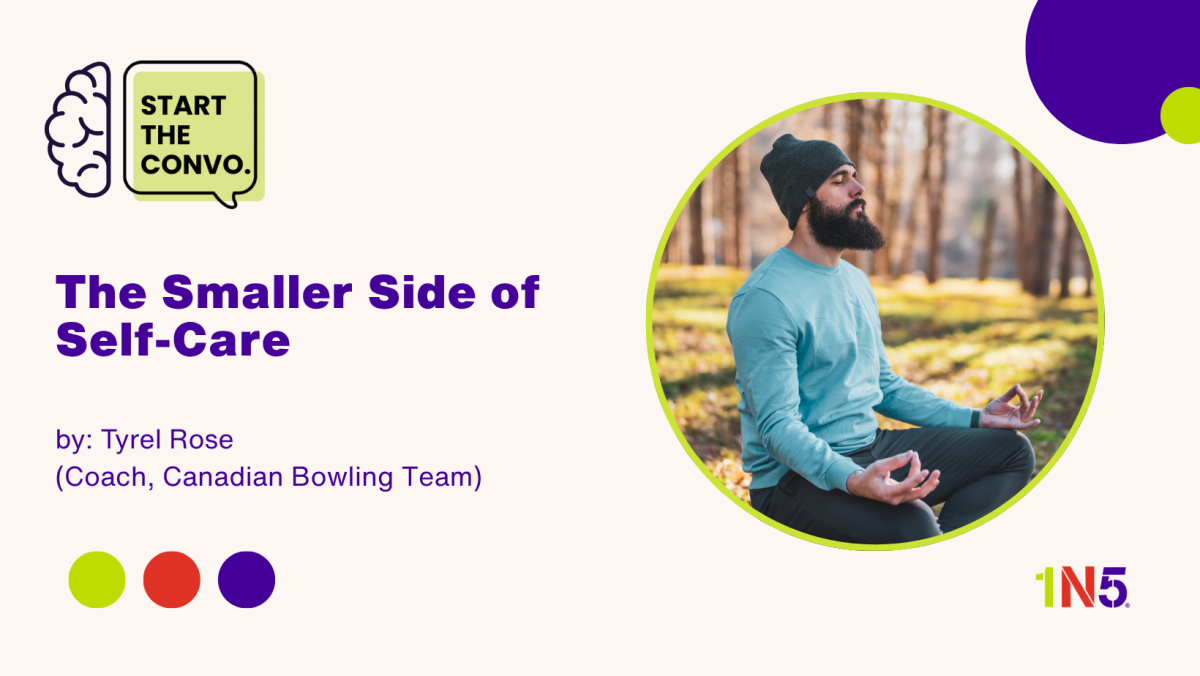
The prevailing wisdom these days is “You have to take care of yourself before you take care of others.” Self-care has become synonymous with finding balance in stressful times, and rightfully so.
Yoga, fitness and strength training, walks in nature, prioritizing rest… They’re all extremely important acts of self-care that you should try to build into your schedule.
But I want to present self-care a little differently.
Self-care, to me, is a form of discipline and a building block of self-respect. It’s valuing yourself in a way that provides internal validation, freeing you from needing outside validation. And it’s the small things that are most important.
Let’s start with routines
I’m not going to advocate for the value of morning routines. I’m not a believer in them in the way they gained so much popularity in 2025. Do I have one? Yes. Do I swear by it and make sure I do it every single day? No.
I use other routines to promote self-care, and valuing myself beyond my work, or my role in my family. I want to share some of them with you.
Mobility routine
Did you watch the Marvelous Ms. Maisel? Do you remember when they went to the resort in the Catskill Mountains and her dad would do his morning exercise routine (and drink a ton of Tomato Juice). That’s a little how I feel when I do my mobility routine.
I spend 15 minutes at some point every morning doing a mobility routine that helps my hips and lower back feel good. Do I absolutely need to do it? No. But it’s a quick routine that sends a message to my body, “I appreciate you. And I need you to keep going for a long time.”
It’s the most important thing I do to keep my 45-year-old body functional and happy.
Morning self-care
I don’t know what to call this, but it’s basically my shower and getting ready for the day. Here’s the thing though, it’s all about intention.
I remember listening to a podcast with an efficiency expert talking about brushing his teeth in the shower because it saved time. I used to shave in the shower, and that was mostly because I hated doing it. I wouldn’t use shaving cream, just hot water from the shower, scrape my face as quickly as possible and be done with it. (My therapy journey taught me why I hated it, but that’s a different story.)
After growing a beard for a couple of years, I decided to shave it off and vowed to shave properly in front of a mirror every time from that day forward. It’s about being intentional. I wanted to take the time to do a good job and be gentle with myself.
I also started using proper moisturizers and applying sunblock. This was about caring for myself in a way I’d mostly neglected before.
Most women already have a morning and/or evening (we’ll get to that) skin care routine. So this part is mostly for the men who likely do what I did – rush through it with little care.
That said, even for women who have a morning skin care routine my question is if it’s done with intention and appreciation for yourself? Or is it rushed and meaningless?
For this particular routine, it’s as much about intention as anything else.
Showing care for yourself starts with small acts, not big ones. And rushing through some of the only alone time you get in a day – usually while silently criticizing parts of yourself you don’t like (trust me, men do this too) – isn’t self-care. It’s lip service to the act of self-care.
Evening self-care
This has been the biggest change for me. I never had any sort of evening routine when getting ready for bed. I’d stay up as late as I felt like and then crawl into bed. Rinse and repeat every night and wonder why I always felt bad in the morning.
To me, evening self-care involves washing up/dental hygiene and finding what works for you to wind down properly for bed. For me it’s a bit of tv, and then about half an hour of reading.
Once again, I recognize that these aren’t always possible. After a night out, you’ll likely rush through a quick face wash and brush your teeth, then hit the pillow.
But establishing a night-time routine has been the most influential bit of self-care that I’ve added to my life over the past few months.
I go to bed earlier, I read more, and I generally sleep better.
More importantly I finish the day with actions that send a message to my brain that I’m worth care, even when I’m tired. If I have the capacity to be disciplined at the end of the day, I can do other hard things throughout it.
Getting started
I’ve listed several different routines, each with different steps. I want to be clear that I didn’t make all these changes over night. I started small, adding little things here and there, until building these three big chunks of self-care.
Here are a few tips for building new self-care habits
- Start small. Pick something that is easy to add. Probably something you can tack onto something you’re already doing. For example, I started a new habit of flossing regularly, which was easy to add right after brushing my teeth.
- Set reminders. I have an alarm on my phone that goes off at 815 pm every night to remind me to go get ready for bed. No, I don’t go to bed right away, but that’s when I wash up and brush my teeth. If I haven’t done my evening self-care by that time, I stop what I’m doing and head to the washroom.
- Gamify the habit. This one is a bit out of the ordinary. I like to make games out of new habits – specifically, how long of a streak can I keep of doing it? Once you start building a streak, you really don’t want to break it, which creates more commitment.
Lessons from these small acts of self-care
The biggest thing that building all these new habits has done is provided internal validation. It says I’m worth the time to take care of myself, not rushing through my shave because I’m stressed about work and don’t care how it feels.
And this has been reflected in other ways. When my kids ignore me, or someone says or does something that makes me feel undervalued, it’s been easier to shake that off. These small self-care habits are building internal validation and self-worth making me less reliant on external validation.
It sounds crazy, but flossing my teeth more regularly has made me a more grounded, patient dad.
One of the other things I’ve learned from this is that when you start something new, it’s easier to do it in the comfort of your home. The big challenges come when your routine changes – travelling for work, or vacation. Going on a trip with friends or family can put these new routines on display.
Let me tell you, doing a morning mobility routine at a cottage full of your guy friends can feel silly, but here’s what happened when I did it: they asked questions about it and tried some of the movements themselves. Half of them couldn’t do one of the moves so it became both a point of conversation (and good-natured mockery) but also an unexpected point of pride for myself.
Your self-care shouldn’t be context dependent, but if you are challenged or miss a day, don’t worry about it. You can just get right back to it the following day, or even later that day.
By all means, do the large acts of self-care: the walks, the yoga, the strength training. These are important to provide balance to a busy life.
But don’t neglect the smaller acts of self-care. They can be easier because they are small things you can fit into your schedule any day. Done with intention, my experience has been that these small acts build to feelings of pride and self-worth, helping you to feel more grounded in moments of stress.
By: Tyrel Rose (Coach, Canadian Bowling Team)